Automotive Packaging
The parts business is a margin game. A scratched housing, a rusted machined face or a bin of mixed parts that arrives rattling is money straight off the invoice, and it happens one cheap packaging decision at a time.
CMTP packs Australia’s automotive trade: parts manufacturers shipping to distributors, remanufacturers sending engines and gearboxes back into the market, and exporters getting parts offshore in condition to sell. Bins, crates, cartons and corrosion protection, designed for the part and made at the nearest of eleven sites.
Fifty years of automotive packaging, made in Australia
CMTP started in a workshop in Colac, Victoria in 1976. It is still family owned and still run by the family that started it. Around 250 people across eleven manufacturing sites in Victoria, New South Wales, Queensland, South Australia and Tasmania now make car parts packaging for the automotive supply chain: parts manufacturers, remanufacturers and exporters.
Most of the automotive supply chain runs on packaging somebody bought in and marked up, so the lead time you are quoted belongs to a third party. We make what you order on our own equipment, at the site nearest your dock. Short freight leg, a delivery date that holds, and one specification across every plant you run rather than a slightly different parts bin at each one.
Auto parts packaging comes from the one place: flat-pack parts bins, automotive crates, cartons, dunnage and corrosion protection for machined faces. Returnable packaging is designed to survive the loop rather than one trip, and export car parts get ISPM 15 stamped timber with VCI protection sized to the voyage. Design and engineering sits in house, so we measure the part, design around it and prototype off tool before a production run. ISO 9001 at Colac and Dandenong plus a 95 per cent DIFOT target is what keeps automotive logistics predictable.
What goes wrong with automotive packaging
Bare metal and machined surfaces start corroding the moment they meet humid air, and a sea freight container is a month of humid air. A part that arrives with surface rust on a machined face isn’t a part anymore, it’s a warranty conversation.
Parts shipped loose in oversized bins spend the whole trip working on each other. Scratches, chips and bent tabs don’t show up on the packing list, they show up at the customer’s goods-in bench, one rejected line at a time.
On high-volume, low-value parts, packaging is a line item that competes directly with margin. Overbuilt packaging wastes money on every unit. Underbuilt packaging wastes more when the claims come in. Most operations are guessing at where the line sits.
How CMTP solves them
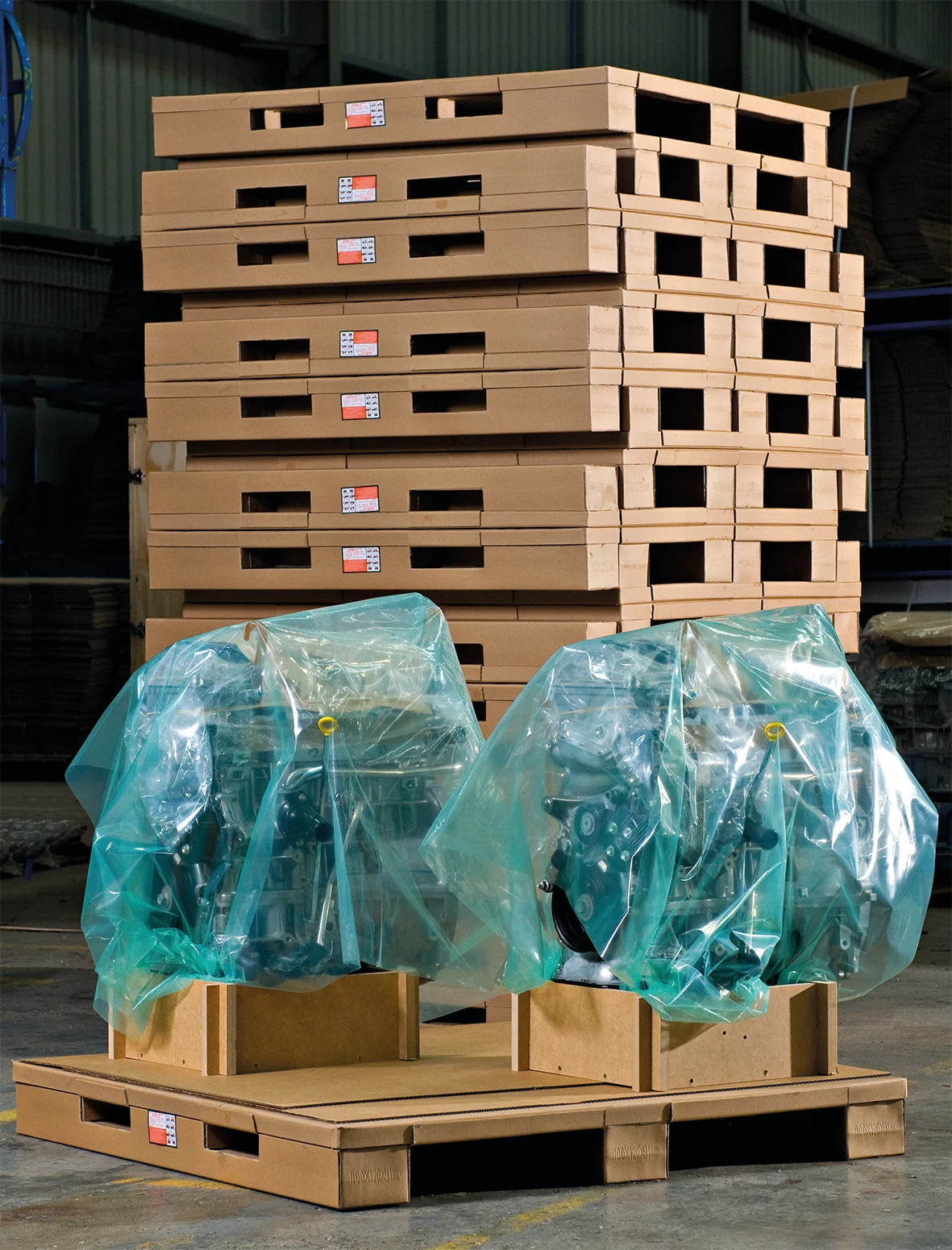
VCI bags, foil barriers and corrosion inhibitor systems sized to the part and the journey, so machined surfaces come out of the box the way they went in. Standard practice for our export automotive work, available on every domestic run too.
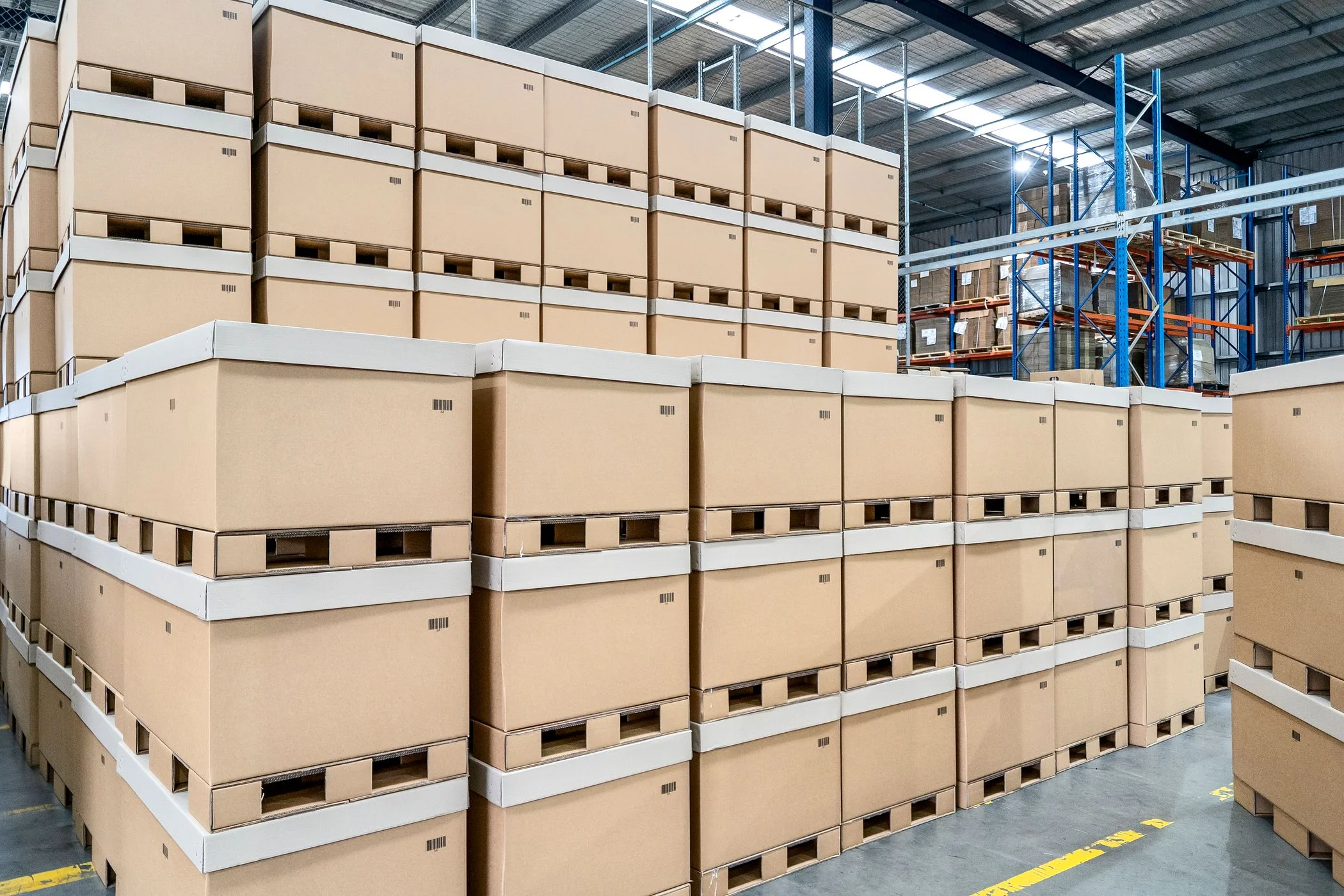
Our bulk bins were built with automotive parts in mind: composite cardboard and timber construction, three standard models that stack neatly in containers, supplied flat-pack. Corflute and cardboard dunnage systems keep parts separated so they stop working on each other in transit.
Our design and engineering team sizes packaging to the part and the freight lane, then prototypes it before production. Flat-pack bins cut the cost of storing and freighting your own packaging, and bins that double as storage take a handling step out entirely. The goal is simple: the cheapest packaging that never generates a claim.
Products built for the automotive industry
A range of CMTP packaging built for the automotive industry.

Bulk bins
composite parts bins in three standard models, flat-pack, container-efficient stacking

Corrosion protection packaging
VCI bags, foil barriers and inhibitors for machined and bare metal parts

Wooden cases and crates
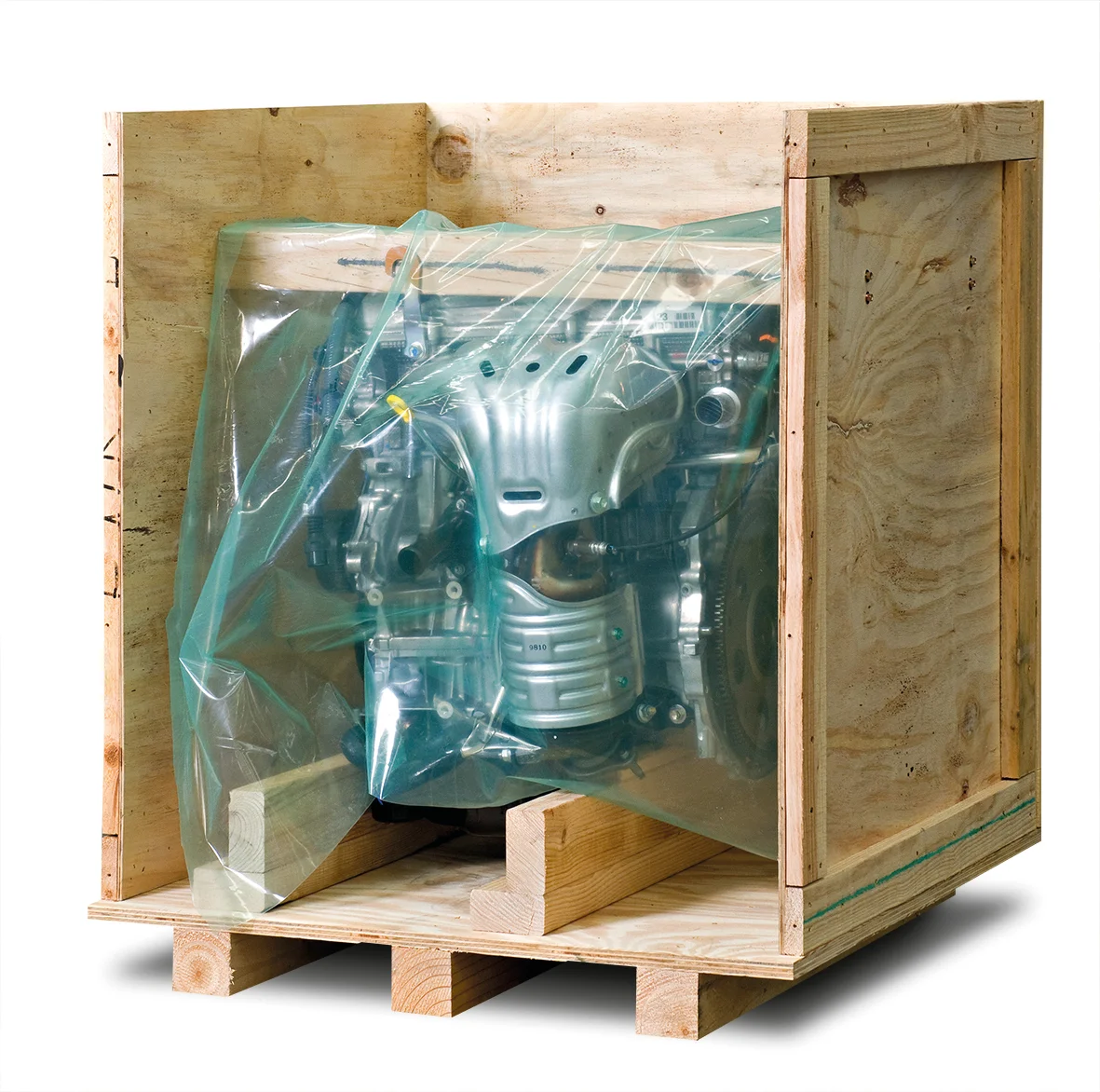
engineered crates for engines, gearboxes and heavy single units

Cardboard cartons and boxes
transit cartons sized to the part

ISPM 15 certified export pallets
stamped and compliant for parts heading offshore
-
 ISO 9001 Certified - Colac
 -
ISO 9001 Certified - Dandenong
-
 ISPM 15 Certified
 -
 HACCP Certified
Get your obligation free quote
Related Services

Design & Engineering
parts packaging designed and prototyped before production, we’ve done auto parts for years

Logistics & Delivery
scheduled bin and packaging supply against a 95 per cent DIFOT target

Contract Packaging
our teams pack at your facility when volume spikes

Machinery Packing
engineered crating when workshop or production equipment has to move
Australia-wide Service
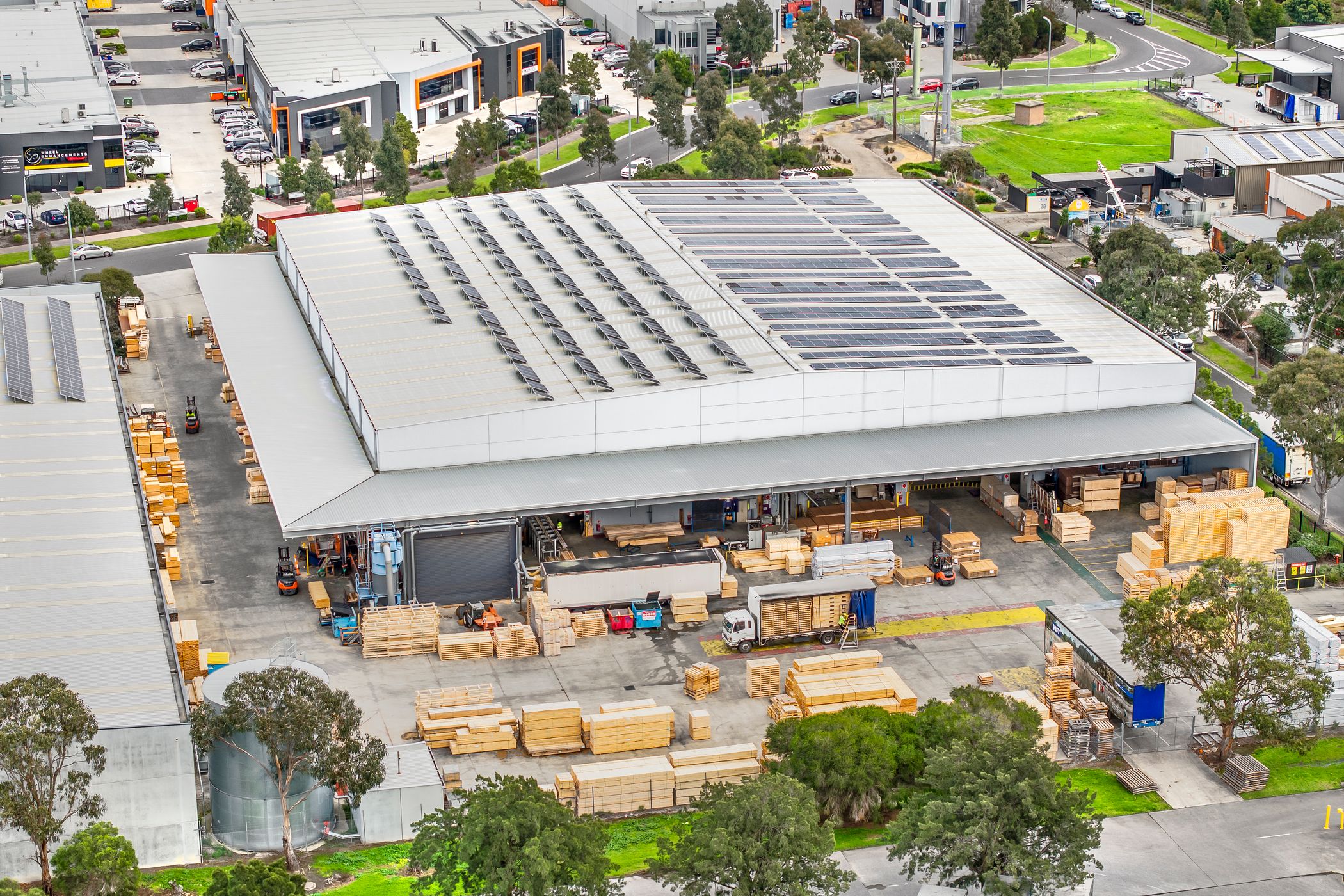
With teams across 11 manufacturing facilities across Australia, we’re able to reach your location quickly and provide the service you need on time.

Victoria
Colac – Head Office
Derrimut
Dandenong South
Mildura
New South Wales
Albury
Glendenning
Queensland
Clontarf
Brendale
South Australia
Adelaide
Tasmania
Branxholm
Scottsdale
Frequently Asked Questions
What bins do you make for automotive parts?
We make composite bulk bins designed for automotive parts, in three standard models that stack efficiently in shipping containers. They’re supplied flat-packed to save floor space until they’re needed. If the standard sizes don’t suit your parts, our design team can build bins to your own dimensions.
Do you make cartons for automotive parts?
Yes. We make transit cartons sized to the part, so components are protected without paying to ship empty space. Cartons can be fitted with dividers and inserts to keep parts separated, and they’re made at our Derrimut and Dandenong South sites in Melbourne, so you can source cartons and pallets from one supplier.
What is automotive dunnage?
Dunnage is the internal packaging that holds parts in place and keeps them apart inside a bin, carton or crate. We make corflute and cardboard dunnage systems shaped to your parts, so finished surfaces don’t rub, chip or scratch against each other in transit. Good dunnage is often the difference between a part arriving sellable or arriving as a claim.
Can you crate engines and gearboxes?
Yes. Engines, gearboxes and other heavy single units travel in engineered crates built for their weight, with the part secured so it can’t move inside. Remanufacturers use them for outbound shipments and for sending cores back, so the same crate design works in both directions.
How do I stop parts rusting in transit?
Machined and bare metal surfaces start corroding in humid air, so protection matters even on domestic runs. The main method is VCI bags, which seal the part in a vapour that stops oxidation without coating the surface. For long trips and sea freight, we add foil barriers and inhibitor systems matched to the journey.
Can automotive packaging be export compliant?
Yes. All our export timber is heat treated, ISPM 15 compliant and individually stamped, and corrosion protection is sized to the sea leg. That way parts clear biosecurity at the destination and arrive in condition to sell or fit.
Can you make returnable packaging for automotive parts?
Yes. Returnable packaging is built to survive repeated trips between supplier and plant, rather than a single journey. It costs more upfront than one-way packaging, but in a closed-loop supply chain it pays for itself over the trips it makes. Tell us how your parts move and we’ll recommend whether returnable or one-way packaging makes more sense.
Can you supply the same packaging to all our plants?
Yes. If you run more than one plant, we apply one specification across every site, so the packaging at one dock matches the next. Each plant is supplied from the CMTP site closest to it, which keeps the freight leg short and deliveries reliable.
Can you schedule packaging supply around our production?
Yes. We set up scheduled bin and packaging supply around your production, so packaging arrives when the line needs it rather than sitting on your floor. Because we make our packaging on our own equipment, lead times aren’t at the mercy of a third-party supplier.
How do we keep packaging cost per part down?
Start by measuring the part properly. A measure-up and prototype show how much packaging the part actually needs, so you’re not paying for timber or cardboard that doesn’t protect anything. Flat-pack bins cut storage and freight costs, and bins that double as storage at the destination remove a handling step. Our aim is the cheapest packaging that never generates a claim.
Talk to Us Today
Every part arrives sellable, or the packaging failed.