Wine & Beverage Packaging
A bottle that survives the trip but arrives with a stained label still can’t be sold. In the wine and beverage trade, packaging isn’t just about stopping breakage, it’s about protecting the presentation your margin depends on, through sea freight, cool stores and every forklift in between.
CMTP has been packing Australia’s beverage industry for decades, from wineries and contract bottlers to breweries, distilleries and juice producers. The wineXP pallet was developed with major wine bottlers for exactly this work, and it’s held in stock so you’re not waiting on a production run at bottling time.
Whatever you fill, we make the packaging near you, at one of eleven sites across Australia, and deliver it on time.
Fifty years behind Australian food and wine packaging
CMTP started in a workshop in Colac, Victoria in 1976. It is still family owned and still run by the family that started it. Around 250 people across eleven manufacturing sites in Victoria, New South Wales, Queensland, South Australia and Tasmania now make wine and beverage packaging for wineries, contract bottlers, breweries, distilleries and juice producers.
Sites in Victoria and Adelaide put manufacturing inside wine country, which is the practical reason wine pallets turn up when bottling is booked rather than a week after it. We make what you order on our own equipment at the site closest to you, so the freight leg is short and the delivery date holds through vintage. The wineXP pallet came out of exactly that arrangement, developed with major bottlers and held in stock so you are not waiting on a production run.
The rest comes from the one place too: wine crates, wine shipping boxes, custom wine boxes for the cellar door, cartons, and ISPM 15 stamped export pallets. Design and engineering sits in house, so wine bottle packaging gets measured, designed and prototyped before a production run rather than forced onto the nearest stock size. ISO 9001 quality management at Colac and Dandenong and a 95 per cent DIFOT target sit behind every order.
What goes wrong with beverage packaging
Wine leaves the winery fine and gets held at the destination port because the timber packaging doesn’t meet ISPM 15. Quarantine holds cost time, storage fees and sometimes the sale itself, and by then it’s too late to fix. Non-compliant or unstamped pallets are one of the most avoidable ways an export shipment goes sideways.
Green or damp timber sweats in a sealed container. Over a long sea leg that moisture ends up in your cartons and labels, and unsightly staining means repacking, relabelling or writing stock off at the end destination. The damage is invisible when the container is packed and expensive when it’s opened.
Freight is sold by the container, not by the bottle. A pallet that doesn’t suit export bottle configurations leaves air where product should be, and a few per cent of wasted space on every shipment quietly compounds into real money across a vintage.
Juice, dairy-adjacent and food-grade beverage production carries hygiene requirements that ordinary timber pallets don’t meet. If an auditor asks where your pallets have been, "no idea" is the wrong answer.
How CMTP solves them
Every export pallet and crate is ISPM 15 compliant and individually stamped, heat treated to the standard (minimum 56 degrees for 30 minutes) rather than chemically fumigated. Compliance is handled at manufacture, not patched up at the wharf.
wineXP pallets are built from kiln-dried timber with moisture content controlled during manufacture, so cartons, labels and product arrive at the end destination the way they were packed. Chemical free, which matters when the cargo is something people drink.
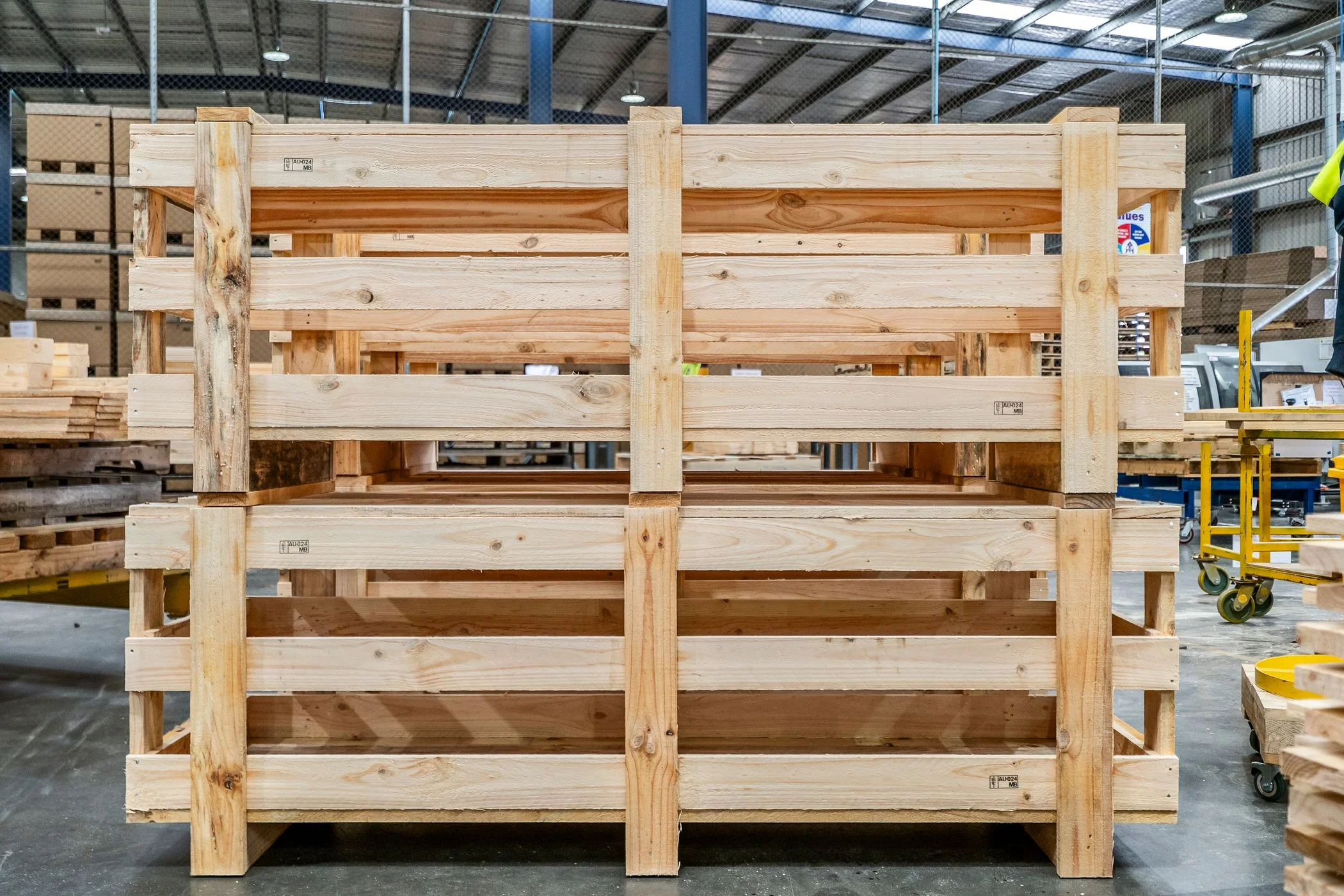
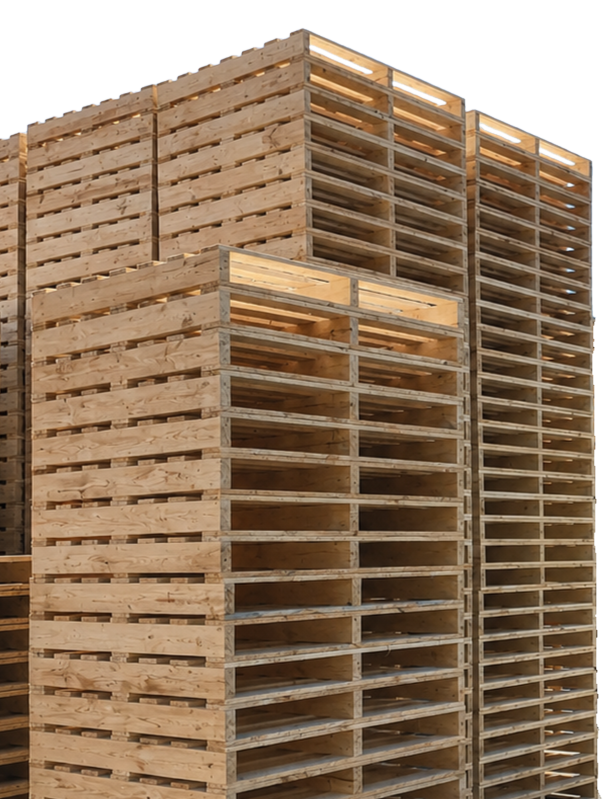
The wineXP was developed with major wine bottlers and sized (1130mm x 1130mm) to suit export bottle configurations and maximise container space. Stackable six high for storage and backloading. If your configuration is unusual, our design and engineering team builds around it.
Through our Pal-giene manufacturing process, CMTP is the only HACCP International certified pallet supplier in Australia. foodXP pallets give beverage and juice producers a timber pallet that stands up to a food safety audit.
Pallets and packaging built for wine and beverage
For wineries, breweries and beverage producers

wineXP pallet
developed with major wine bottlers for export, kiln-dried, ISPM 15 certified, held in stock

foodXP pallets
HACCP International certified for beverage, juice and food-grade production

ISPM 15 certified export pallets
for everything else leaving the country

Wooden cases and crates
custom wine boxes and crates for presentation, wholesale and transit

Cardboard cartons and boxes
shelf-ready and transit cartons
-
 ISO 9001 Certified - Colac
-
ISO 9001 Certified - Dandenong
-
 ISPM 15 Certified
-
 HACCP Certified
Get your obligation free quote
Related Services

Design & Engineering
packaging designed around your bottle configuration, prototype before production

Contract Packaging
our teams pack at your site, winery or bottling facility

Logistics & Delivery
wineXP held in stock and delivered against a 95 per cent DIFOT target
Australia-wide Service
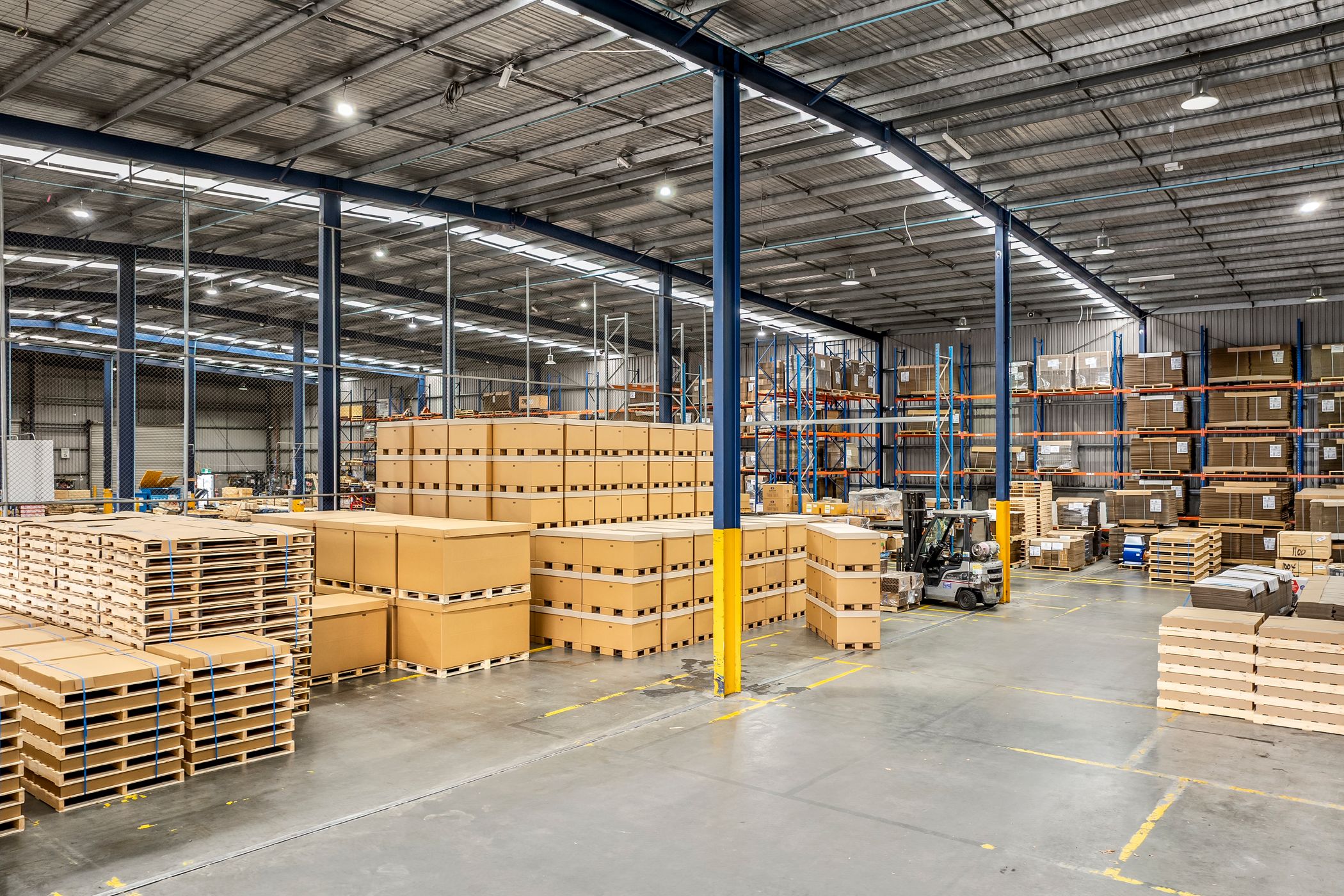
With teams across 11 manufacturing facilities across Australia, we’re able to reach your location quickly and provide the service you need on time.

Victoria
Colac – Head Office
Derrimut
Dandenong South
Mildura
New South Wales
Albury
Glendenning
Queensland
Clontarf
Brendale
South Australia
Adelaide
Tasmania
Branxholm
Scottsdale
Frequently Asked Questions
What is a wineXP pallet?
The wineXP is CMTP’s export wine pallet, developed with major Australian wine bottlers. It measures 1130 x 1130 x 138 mm, a size made to fit export bottle and carton layouts so nothing overhangs. It’s kiln-dried, heat treated to ISPM 15 and stackable six high. We hold wineXP pallets in stock, so they’re ready to go when you are.
Are your pallets certified for wine export?
Yes. Every export pallet is ISPM 15 compliant and individually stamped, so your wine clears biosecurity at the destination port without being held up. The timber is heat treated to at least 56°C for 30 minutes, not fumigated, so there are no chemicals anywhere near your product.
Why do timber pallets stain wine cartons and labels?
Moisture. Green or damp timber releases moisture inside a sealed shipping container, and over a long sea voyage it condenses and marks cartons and labels. A label that arrives water-stained can get a shipment rejected by a buyer. That’s why wineXP pallets are kiln-dried during manufacture, keeping moisture down before they ever reach your bottling line.
Do you supply HACCP certified pallets for beverage production?
Yes. CMTP’s Pal-giene manufacturing process is HACCP International certified, and we’re the only Australian pallet supplier to hold that certification. For juice, beverage and food-grade production lines, ask the team about our foodXP pallets.
What’s the best way to package wine for export?
Start with a pallet sized to your bottle layout so cartons sit flush with no overhang. Use kiln-dried timber so moisture doesn’t mark your labels, and make sure every pallet leaving Australia is ISPM 15 stamped. Carton strength, layer patterns and load restraint depend on your product, and that’s where our design team comes in.
Do you make custom wine boxes and presentation crates?
Yes. Our design team makes custom wine boxes, presentation crates and transit cases in timber, plywood or heavy-duty cardboard. Every design is prototyped before production, so you see and handle it before you commit to a run.
Can you have pallets ready before vintage and peak bottling?
Yes. The busiest weeks of the year are the wrong time to run out of pallets. The team can build your stock ahead of vintage, hold it at your nearest CMTP site and deliver on call-off, or set up scheduled deliveries matched to your bottling runs.
Do you supply wineries in regional Australia?
Yes. CMTP has manufacturing sites close to some of Australia’s main wine regions, including Mildura, Albury, Adelaide and northern Tasmania. Pallets made nearby mean shorter freight runs and faster deliveries to your winery or bottler.
Do you supply pallets for breweries and distilleries?
Yes. Breweries, distilleries and cideries get pallets built to suit their kegs, cartons and racking, in standard sizes or made to your spec. For production areas with hygiene requirements, our HACCP certified pallets are worth a look.
Can your pallets go into cold storage?
Yes. Kiln-dried timber holds up far better than green timber in cold and humid storage, where damp wood tends to grow mould and sweat onto cartons. Cool rooms and refrigerated containers should be no problem.
Talk to Us Today
Vintage doesn’t wait, and neither should your packaging.